How Roof Ventilation Helps Prevent Moisture and Mold
Roof ventilation helps prevent moisture and mold buildup by improving airflow, and local contractors can install and maintain systems to keep your attic dry and healthy.
Understanding how roof ventilation helps prevent moisture and mold is essential for property owners aiming to protect their investment and maintain a healthy indoor environment. Proper ventilation allows excess humidity and warm air to escape from the attic space, reducing the likelihood of condensation forming on roof sheathing and interior surfaces. This process not only helps prevent the growth of mold and mildew but also contributes to the overall longevity of the roofing system. Local contractors experienced in roof ventilation can assess existing setups and recommend practical solutions tailored to the specific needs of homes in the area, ensuring optimal airflow and moisture control.
For property owners in the local area, exploring roof ventilation options is a proactive step toward minimizing potential damage caused by excess moisture. Poor ventilation can lead to hidden problems such as rotting wood, compromised insulation, and unhealthy indoor air quality. Engaging with trusted local service providers who specialize in roof ventilation can help identify the best strategies to improve airflow and moisture management. By addressing these issues early, property owners can safeguard their homes against future problems while enhancing energy efficiency and comfort. Keep reading to discover how local contractors can assist with effective roof ventilation solutions that support a healthier, more durable home.
- Attic Ventilation Installation - homeowners noticing excess moisture or mold growth may need attic ventilation services, which local contractors approach by assessing airflow needs and installing vents to improve air circulation.
- Roof Vent Repair - when existing roof vents are damaged or ineffective, local service providers can repair or replace them to ensure proper moisture control and mold prevention.
- Gable and Soffit Vent Services - properties with inadequate passive ventilation might require professional installation or upgrades of gable or soffit vents to promote better attic airflow.
- Vented Roof Ridge Cap Installation - if moisture issues persist, local pros can install or upgrade ridge vents that allow warm, moist air to escape, reducing mold risk.
- Attic Insulation and Ventilation Evaluation - homeowners concerned about moisture buildup can have local contractors evaluate and recommend ventilation solutions that help prevent mold growth.
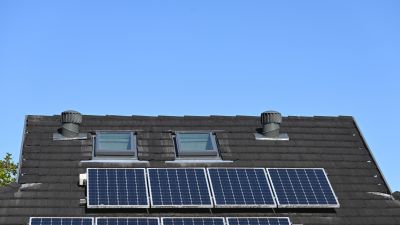
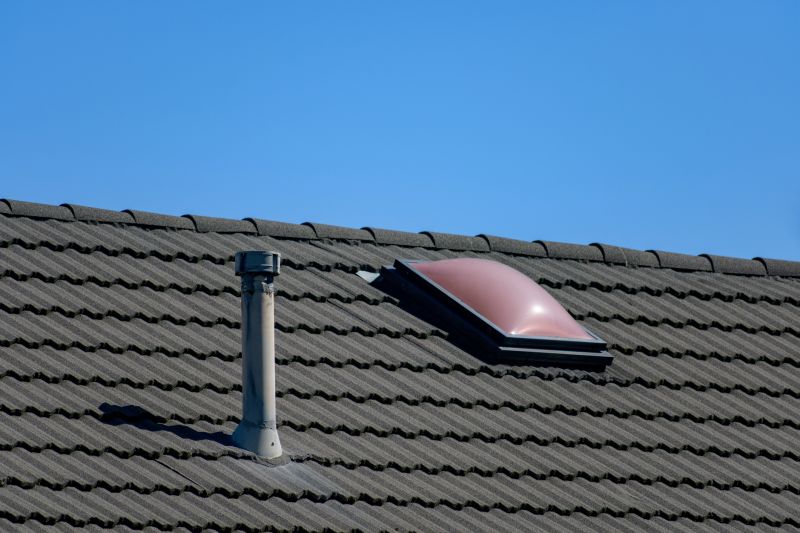
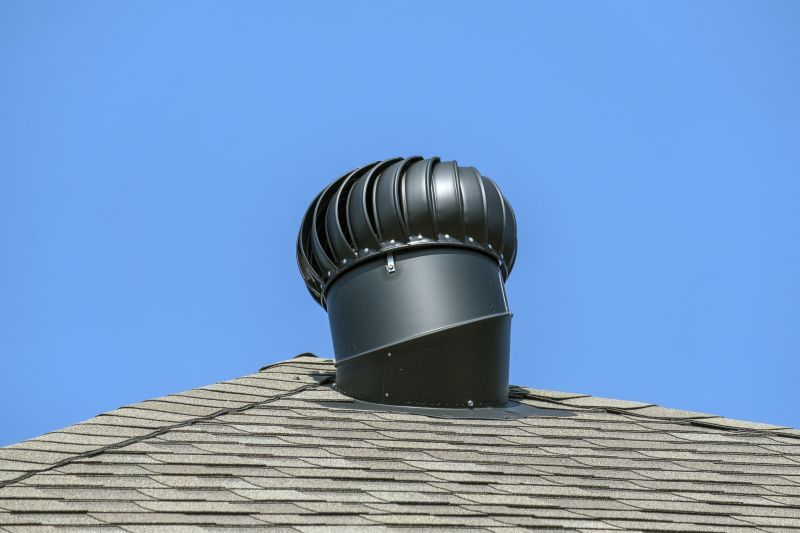
When homeowners search for information about how roof ventilation helps prevent moisture and mold, they are often concerned about issues that can develop inside the attic or roof space. Excess moisture can accumulate due to everyday activities like cooking, showering, or even outdoor humidity seeping into the home. Without proper ventilation, this moisture becomes trapped, creating a damp environment that fosters mold growth and can lead to wood rot or structural damage over time. People may also be exploring this topic because they notice signs of excess humidity, such as musty odors, peeling paint, or visible mold, and want to understand how improving roof ventilation can address these problems.
This topic is closely related to home improvement plans aimed at protecting the integrity of the roof and the overall comfort of the living space. Poor attic ventilation often results in heat buildup during warmer months and cold air pockets in winter, which can cause ice dams and other issues. Many property owners are looking into roof ventilation solutions as part of broader efforts to maintain a healthy indoor environment and prevent costly repairs. Whether they’re considering adding vents, upgrading existing systems, or addressing moisture-related concerns, understanding how roof ventilation helps prevent moisture and mold is a key step in planning effective projects that safeguard the home’s structure and indoor air quality.
The types of properties that typically come up in discussions about roof ventilation and moisture prevention include residential homes, especially those with attics or vaulted ceilings, as well as multi-family buildings and small commercial structures. Older homes with less efficient insulation or outdated ventilation systems often experience higher moisture buildup, making upgrades particularly beneficial. Additionally, properties located in humid or rainy climates tend to face greater challenges with moisture management, prompting owners to seek expert advice on ventilation options. Regardless of the property type, ensuring adequate airflow in the attic space is essential to prevent moisture problems and maintain a healthy, mold-free environment.
Local service providers who specialize in roof ventilation can play a vital role in addressing these concerns. These contractors assess the specific needs of each property, recommending appropriate ventilation solutions such as ridge vents, soffit vents, or attic fans. They help ensure that airflow is balanced and effective, reducing moisture buildup and preventing mold growth. By working with experienced local pros, homeowners can implement practical, lasting improvements to their roof systems. Proper ventilation not only helps protect the roof’s structure but also contributes to a healthier indoor environment, making it an important consideration in any home maintenance or renovation project related to moisture control.
Attic Insulation Installation - Proper insulation work often involves assessing ventilation needs to prevent moisture buildup and mold growth inside attics.
Roof Repair and Replacement - Ensuring proper ventilation is a key part of roof repairs and replacements to maintain a dry, mold-free roof space.
Attic Ventilation System Installation - Specialists install active or passive ventilation systems that help regulate moisture levels and prevent mold development.
Attic Air Sealing Services - Sealing air leaks complements ventilation efforts by controlling moisture entry points that can lead to mold issues.
Gutter and Drainage System Services - Proper gutter installation and maintenance help prevent water intrusion that can increase indoor humidity and mold risk.
Moisture Barrier and Vapor Retarder Installation - These services work with roof ventilation to control indoor moisture and inhibit mold growth in attics and roof spaces.
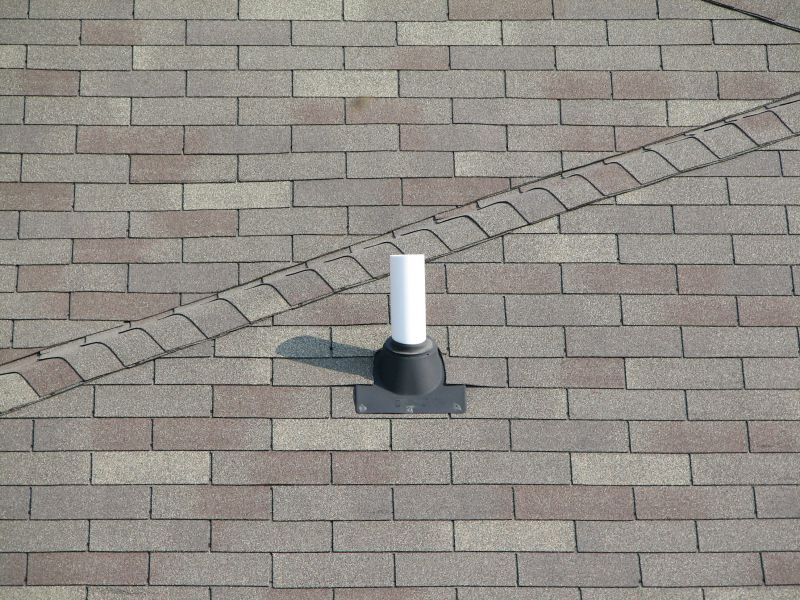
When evaluating local contractors for roof ventilation services, it’s important to consider their experience with similar projects. Homeowners should seek out service providers who have a proven track record of installing or upgrading roof ventilation systems in homes comparable to their own. An experienced contractor will understand the nuances of different roof styles and climates, ensuring that the ventilation solutions they recommend are effective at helping prevent moisture buildup and mold growth. Asking for examples of past work or references related to moisture control and ventilation can provide insight into their familiarity with this specific aspect of roof health.
Clear, written expectations are essential when comparing local contractors for roof ventilation work. Homeowners should look for service providers who can explain their approach in straightforward terms, including what types of ventilation systems they recommend, how they plan to install or improve existing setups, and what results can be expected. Detailed proposals help ensure that both parties are aligned on the scope of work and prevent misunderstandings later on. Service providers who can articulate their process and anticipated outcomes contribute to a smoother project experience and better results in maintaining proper airflow and moisture management.
Reputable references and strong communication skills are key factors in choosing a reliable local contractor. Homeowners should seek out service providers who can provide references from previous clients, particularly those who had similar ventilation concerns or moisture issues. Good communication also involves timely responses to questions and a willingness to explain technical details clearly. Contractors who prioritize open dialogue and transparency often demonstrate professionalism and a commitment to quality work. This level of trust and clarity can help ensure that the project addressing how roof ventilation helps prevent moisture and mold is completed to satisfaction, with a clear understanding of each step involved.
Property owners often search for how roof ventilation helps prevent moisture and mold when they are planning practical projects around their homes and businesses. Local pros provide Roof Ventilation services for everyday jobs and straightforward project options.
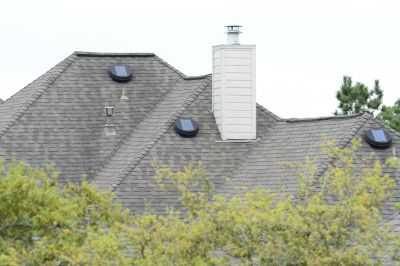
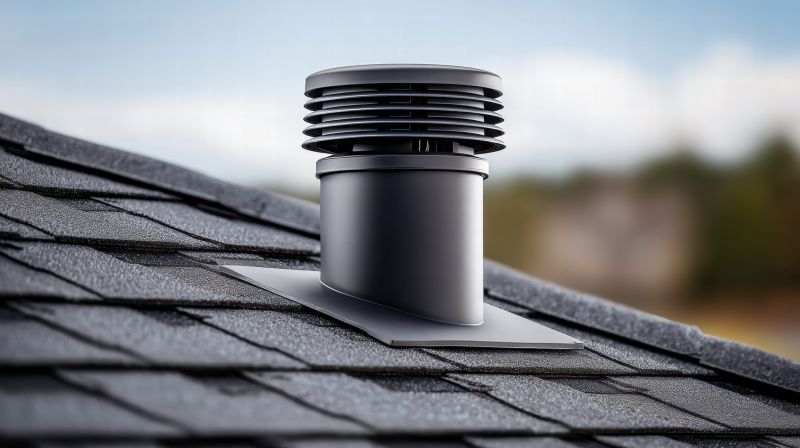
Proper roof ventilation plays a key role in preventing moisture buildup inside the attic and roof spaces. When warm, moist air escapes through well-designed vents, it reduces the chances of excess humidity that can lead to mold growth and structural damage. Property owners who notice condensation on ceilings or a musty smell in their homes often consider roof ventilation services to improve airflow and protect their investment. Local contractors can assess existing ventilation systems and recommend solutions that help maintain a dry, healthy environment inside the home.
In everyday project situations, such as roof replacements or repairs, understanding how roof ventilation helps prevent moisture and mold can influence decisions about vent installation or upgrades. Proper ventilation not only helps control indoor humidity but also extends the lifespan of roofing materials by preventing rot and deterioration. Property owners researching this topic may find it beneficial to connect with local service providers who specialize in roof ventilation, ensuring the job is handled correctly and effectively to safeguard their property’s interior and overall integrity.
How does roof ventilation help prevent moisture buildup inside a home? Proper roof ventilation allows excess moisture to escape from the attic and roof space, reducing humidity levels that can lead to mold growth and structural damage. Local contractors can install or upgrade ventilation systems to ensure effective moisture control.
In what ways can roof ventilation reduce the risk of mold formation? By promoting airflow and maintaining balanced humidity levels, roof ventilation prevents condensation and damp conditions that foster mold development. Experienced service providers can assess and improve existing ventilation to minimize mold risks.
Why is adequate roof ventilation important for controlling indoor humidity? Adequate roof ventilation helps regulate indoor humidity by allowing moisture-laden air to exit the attic, preventing it from seeping into living spaces. Local pros can recommend ventilation solutions tailored to specific home needs.
Can proper roof ventilation extend the lifespan of roofing materials? Yes, effective ventilation reduces heat and moisture buildup, which can cause roofing materials to deteriorate prematurely. Local contractors can install ventilation systems that help preserve roof integrity over time.
How do local roof ventilation services ensure moisture and mold prevention? They evaluate existing ventilation, recommend appropriate upgrades, and install systems that promote airflow, helping to control moisture levels and prevent mold growth inside the attic and roof structure.
Assessing attic ventilation needs - property owners can evaluate their attic's current airflow to identify areas where additional vents may improve moisture control with help from local contractors.
Installing ridge or soffit vents - homeowners can plan to add or upgrade roof vents to promote continuous air circulation, reducing excess humidity and preventing mold growth.
Sealing air leaks and insulation gaps - property owners might work with local pros to ensure proper sealing around vents and insulation to maximize ventilation effectiveness against moisture buildup.
Regular inspection and maintenance - scheduling routine checks of roof vents can help detect blockages or damage early, supporting ongoing prevention of moisture and mold issues.
If you are thinking about how roof ventilation helps prevent moisture and mold for a property, this guide is meant to help you understand this topic, the typical project types, and how different options might fit your plans.
When you are ready, you can use the quote form on this page to share a few details about your project. From there, local pros can review the basics and follow up with options that match what you have in mind.